
What's happening with car loan rates in October 2026?
According to Bankrate's October 28, 2026 survey, the average rate for a 60-month new-car loan was 7.06%.
That's slightly lower than the 7.13% reported one week earlier. For comparison, the same survey reported a 7.47% average for 48-month used-car loans.
Those figures provide a useful look at the national lending market, but they aren't rates everyone can expect to receive. Your actual APR depends on factors including your credit profile, lender, loan term, vehicle, and available financing programs.
There's another interesting development. Cox Automotive reported on October 13 that access to auto financing had improved for five consecutive months through September. However, longer loan terms and negative equity were also becoming more common. In other words, financing may be becoming more accessible, but that doesn't automatically mean borrowing is inexpensive.
How much difference does the loan term make?
Let's use a simple example. Suppose you're financing $30,000 at a fixed 7.06% APR. Here's how the payment changes depending on the loan term.
These are illustrative calculations, not actual financing offers. They assume $30,000 financed, a fixed 7.06% APR, equal monthly payments, no additional fees or financed products, and no early payoff. Actual payments and total interest may vary slightly because of payment rounding and lender calculation methods.
Notice what happens. Stretching the loan from 60 to 84 months lowers the monthly payment by approximately $141. But it also increases the total interest paid by roughly $2,414. That's why I encourage shoppers to consider both numbers.
A longer loan isn't automatically a bad decision. Sometimes the monthly flexibility is important. But you should understand what that flexibility costs.
| Loan Term | Monthly Payment | Total Interest |
|---|---|---|
| 60 months | $594.89 | $5,693.13 |
| 72 months | $512.33 | $6,888.12 |
| 84 months | $453.66 | $8,107.51 |
Why are longer car loans becoming more common?
According to Cox Automotive, 31.8% of loans in its September 2026 credit availability data had terms longer than 72 months. That was a record high in the dataset.
It's not difficult to understand why. A longer loan term can lower the monthly payment, even when the vehicle price doesn't change. For shoppers balancing housing costs, groceries, insurance, and other expenses, that flexibility can be appealing.
The trade-off is that you're generally paying interest for a longer period. You may also owe more than the vehicle is worth for longer, particularly if your down payment is small. Before choosing a longer term, compare both the payment and the total amount you'll repay.
What about financing a used vehicle?
Used-car financing can work differently from new-car financing. Lenders may consider the vehicle's age, mileage, value, and loan amount alongside your credit profile. That means two vehicles with similar prices could have different financing options.
It's also worth comparing the total purchase cost rather than assuming a lower-priced used vehicle will always produce a dramatically lower payment. For example, a newer used SUV with a higher price but more favorable financing terms could have a payment closer to an older vehicle than you might expect.
The right comparison is the actual numbers for the vehicles you're considering.
Does a larger down payment help?
Generally, a larger down payment reduces the amount you need to finance. That can lower your monthly payment and total interest, assuming the other loan terms remain the same.
But I wouldn't recommend emptying your savings just to make a payment look better. Consider what you'll need for insurance, registration, maintenance, unexpected expenses, and emergency savings.
The right down payment is one that supports both the vehicle purchase and your overall financial situation.
- Insurance
- Registration
- Maintenance
- Unexpected expenses
- Emergency savings
Don't forget about your trade-in
Your current vehicle can make a significant difference. If your trade is worth more than what you owe, that positive equity may reduce the amount you need to finance. If you owe more than the vehicle is worth, you have negative equity.
Rolling negative equity into another loan, when permitted, increases the amount financed and can make the next purchase more expensive. Cox Automotive reported that negative equity was present in 57.8% of loans in its September 2026 credit availability data.
That doesn't mean 57.8% of all vehicle owners have negative equity. It reflects the specific loans measured in the report. It's one reason getting a realistic trade value and knowing your payoff amount should happen early in the shopping process.
Should you choose 60, 72, or 84 months?
There's no single answer for everyone. A shorter loan generally means higher payments but less total interest when the APR and amount financed are the same. A longer loan may make the monthly payment easier to manage, but it typically increases total borrowing costs. It can also leave you owing more than the vehicle is worth for longer.
My suggestion? Start with a comfortable monthly budget, then compare the following details. Don't let the payment alone make the decision.
- The actual selling price
- Your trade-in value
- Your current loan payoff
- Your down payment
- The amount financed
- The APR
- The loan term
- The total repayment cost
Should you wait for interest rates to drop?
That's a question I hear quite a bit. The difficulty is that nobody can guarantee what rates will do next.
A lower rate in the future could help, but vehicle prices, trade values, incentives, and inventory can also change. If you need a vehicle now, compare the financing options actually available to you.
If you're comfortable waiting, it may make sense to monitor both interest rates and vehicle prices. Just don't assume that waiting automatically produces a better overall deal.
Getting financing help around Clare and Mount Pleasant
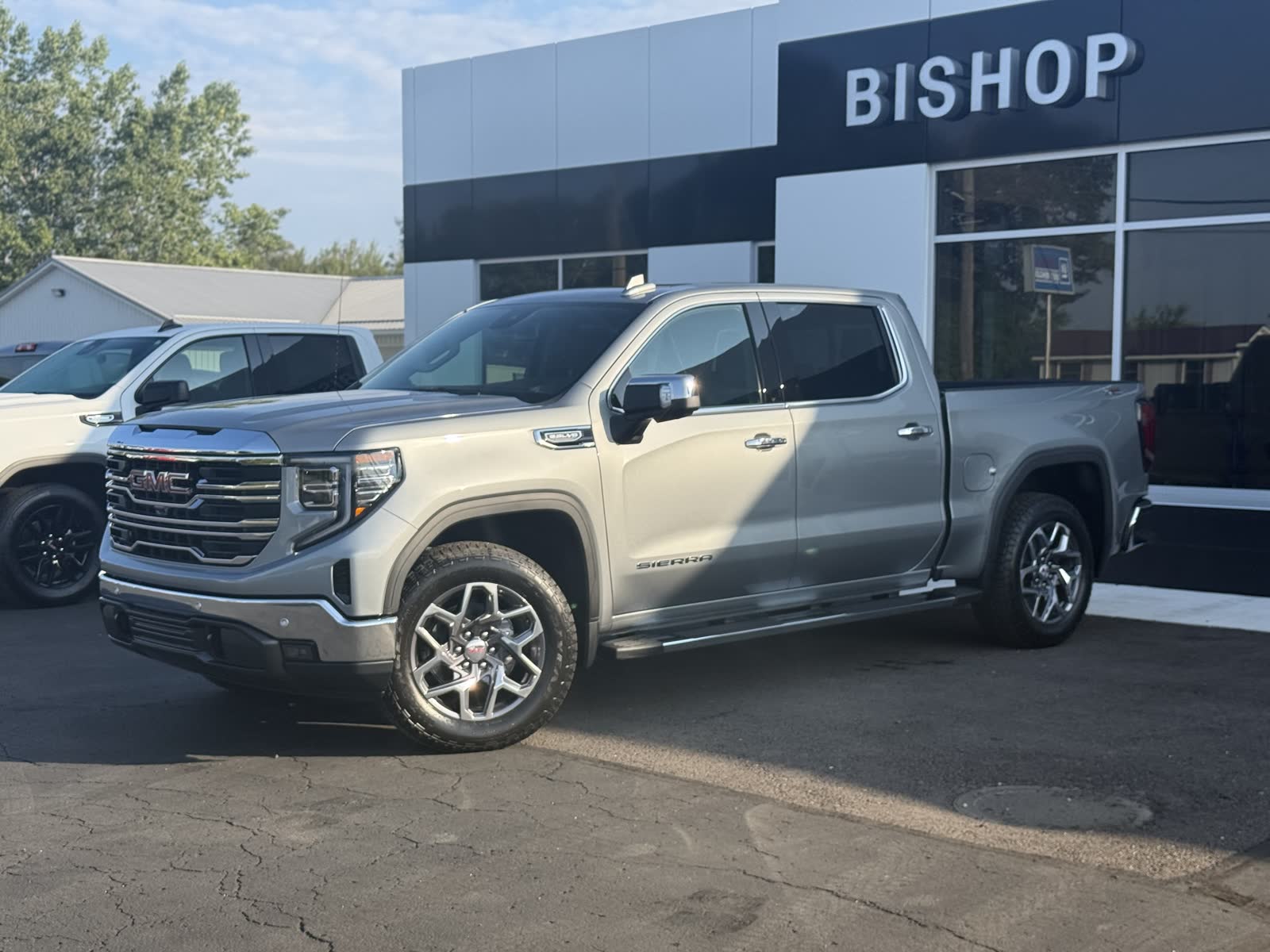
Whether you're shopping for a new GMC Sierra, a used SUV, or something affordable for the daily commute, it helps to understand the numbers before committing.
At SmartCarMatch, you can browse available vehicles and ask financing questions without starting with a full credit application.
I work with shoppers around Clare, Mount Pleasant, Central Michigan University, Midland, and throughout Mid-Michigan.
If you're unsure what payment makes sense or how your trade affects the purchase, I'm happy to help you work through the options.
The goal isn't simply to get you into a vehicle. It's to help you understand what you're agreeing to before you sign.
Sources and useful references
Final thoughts
Browse current inventory or start with Financing Help when you want to compare payment, trade, and total-cost questions together.
Visit Financing Help